How Rockhampton Humidity Causes Black Lichen and How to Kill It
Property owners across Rockhampton are intimately familiar with the stubborn, dark stains that appear on driveways, pathways, roof tiles, and exterior walls. Commonly mistaken for simple dirt or standard mould, these persistent blemishes are frequently black lichen—a complex, resilient composite organism that thrives in Central Queensland's unique subtropical climate. Leaving black lichen unchecked not only diminishes your property's street appeal but can also cause https://felixpwem163.birchreport.com/posts/why-rockhampton-homeowners-need-regular-pressure-cleaning-in-2026 irreversible surface etching and structural damage.
Why Rockhampton's Climate Accelerates Black Lichen Growth
Black lichen is a symbiotic organism composed of fungi and microscopic algae or cyanobacteria. Unlike simple surface dirt, lichen forms microscopic anchoring filaments (hyphae) that bore deeply into porous building materials such as concrete, sandstone, exposed aggregate, and clay roof tiles.
Rockhampton provides the quintessential incubator for this invasive growth. With prolonged, sweltering summers, heavy rainfall bursts, and average morning humidity levels regularly exceeding 70 to 80 percent, moisture becomes trapped within the micro-pores of hard surfaces. The fungal component provides shelter and moisture retention, while the algal partner synthesizes sunlight into energy. Because Central Queensland experiences high solar exposure alongside heavy humidity, black lichen can establish robust root systems far faster here than in cooler, drier southern regions.
The Hidden Risks of Untreated Black Lichen
Allowing black lichen to colonize your surfaces presents several distinct hazards for local property owners:
First, the acidic compounds produced by lichen dissolve minerals within concrete and stone, causing pitting, flaking, and premature erosion. Second, when wet during Rockhampton's storm season, black lichen becomes exceptionally slick, transforming exterior paths and pool surrounds into dangerous slipping hazards. Finally, severe infestations penetrate sealants and protective coatings, drastically shortening the lifespan of your exterior surfaces and requiring costly repairs or replacement.
How to Effectively Kill and Remove Black Lichen
Killing black lichen requires chemical eradication rather than brute physical force. Many property owners make the mistake of renting a high-pressure washer and blasting the surface at maximum pressure. While this may strip away the top layer, it leaves the microscopic spores and roots intact within the concrete pores, guaranteeing rapid regrowth while permanently scarring the substrate. In 2026, professional surface restoration relies on scientific soft-washing principles and specialized chemical treatments.
- Apply a Targeted Biocide or Sodium Hypochlorite Solution: Black lichen requires a potent oxidizing agent or specialized quaternary ammonium biocide. A commercial-grade sodium hypochlorite mix (typically 3% to 5% active strength, blended with a surfactant) penetrates the protective outer crust of the lichen and breaks the cellular bond anchoring it to the surface.
- Allow Sufficient Dwell Time: Lichen cannot be washed away instantly. The chemical treatment must dwell on the infected surface for 20 to 45 minutes, remaining wet to saturate the rooting structures. You will observe the black spots turning brown, yellow, or white as the organism dies.
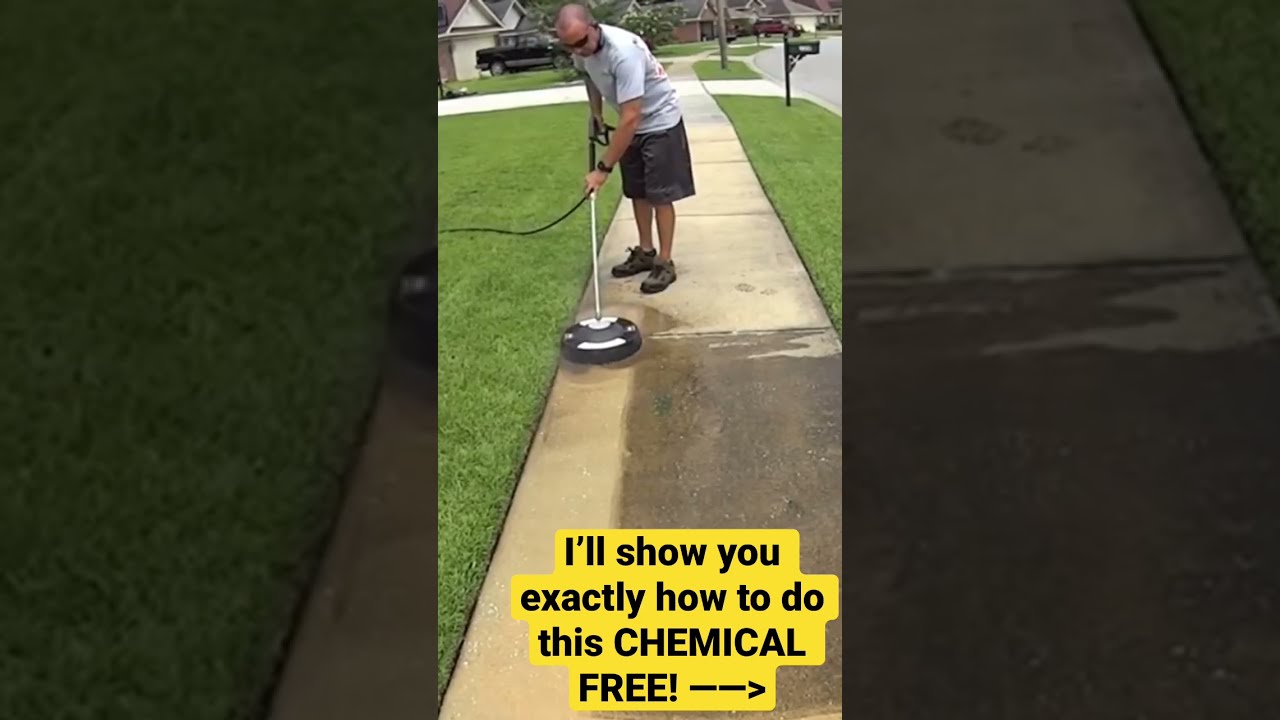
- Perform a Controlled Surface Agitation: Use a stiff-bristled polypropylene deck broom or a professional rotary flat-surface cleaner to agitate the dead lichen gently without gouging the concrete cream or exposing aggregate.
- Rinse Under Moderate Pressure: Thoroughly rinse the area with clean water using wide-angle nozzles at moderate pressure (under 1,500 PSI) to flush out the dead biological matter without compromising the substrate.
- Neutralize and Treat Surrounding Foliage: Prevent chemical runoff from scorching delicate subtropical plants and turf by pre-saturating the garden beds with fresh water before treatment and thoroughly rinsing them afterwards.
Long-Term Prevention Strategies for Rockhampton Homes
Eradicating black lichen is only half the battle; maintaining spore-free surfaces in Central Queensland requires ongoing preventative measures designed to combat persistent humidity.
- Apply Deep-Penetrating Silane-Siloxane Sealers: Modern breathable sealers penetrate concrete pores to repel liquid water while allowing internal moisture vapour to escape, depriving lichen spores of the standing moisture they need to germinate.
- Optimize Surface Drainage: Ensure rainwater flows away from pathways and patios rather than pooling, as standing water combined with Rockhampton heat drastically accelerates biological colonization.
- Increase Sunlight and Airflow: Prune overhanging trees, shrubs, and palms to eliminate damp, permanently shaded pockets along walkways and exterior walls.
- Schedule Annual Preventative Maintenance: Applying a residual biocide wash every twelve months prevents dormant airborne spores from establishing deep root systems.
By understanding how Rockhampton's humid conditions foster black lichen, homeowners can shift from frustrating, surface-damaging pressure cleaning to effective, long-lasting eradication techniques that protect their concrete and restore their property's value.
Rockhampton Pressure Cleaning Pros
(07) 4065 8492